WHY NAMING THE LOOTERS SHOOK ZANU PF’S CULTURE OF SILENCE
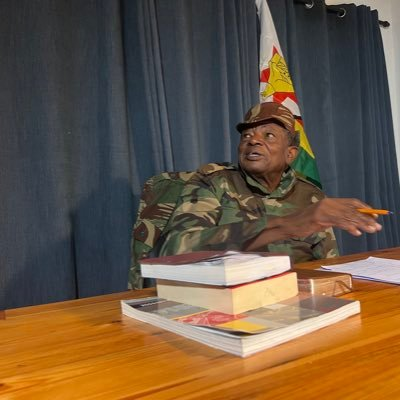
By naming business people, families, and networks linked to corruption, Geza broke a long tradition of silence in Zimbabwean politics. For years, power survived through vague language, polite lies, and pretending not to know. Corruption was talked about, but never owned. When theft has no names, it feels distant. But people understand theft when it has surnames. Naming made corruption real, human, and harder to deny.
This act of naming was not about revenge or drama. It worked as a direct challenge to a system built to protect the rich and powerful. It forced responsibility back into public talk. It reminded people that corruption is done by individuals, not ghosts. But naming does not clean away the past. It does not cancel who benefited, who kept quiet, or who looked away. Instead, it brings back choice and blame. It says people acted, and people can be judged.
When apology appears in this space, it is not about being forgiven. It is not a search for a fresh start. It is about pulling back moral support. It is saying, I no longer agree. I no longer stand with this. In a country where silence often means approval, this withdrawal matters. It breaks the chain that allows wrongdoing to continue without challenge.
Geza’s later words also spoke to a deeper problem in how the state now works. After independence, many countries in Africa, Asia, and Latin America dreamed of states that would build schools, jobs, and shared wealth. The state was seen as a tool for lifting the people. Over time, this dream faded. What replaced it was a system where power is personal and rewards flow through loyalty. Formal rules exist, but real power sits with individuals and their networks.
In such a system, politics is not about ideas or plans. It is about access. Who is close to power matters more than what they believe. Who gets in eats. Who is locked out watches. Geza’s language fits this truth. His actions support the idea that fights inside ZANU PF have never been about vision or policy. They have always been about who controls the gate to state resources.
Still, Geza was not a clean outsider. He was part of the system he later criticised. He took sides in faction fights and supported powerful figures like Constantino Chiwenga. He cannot be separated from the succession battles that have shaped ZANU PF for years. This history matters and should not be erased.
Yet in his final public moments, something shifted. When he said he was old and had played his part, it was not a surrender. It was an admission that time limits everyone. It quietly questioned the belief that age alone gives a right to rule forever. It hinted that no one should own the future simply because they fought in the past. This was not moral greatness. It was a step away from the spotlight, not from history.
Most important was his insistence that the struggle does not belong only to the liberation generation. This idea is widely shared but rarely respected. A nation does not belong to one group or one age. It belongs to all who live in it and those still to come. Leadership is about care, not ownership. Liberation is not property. It is a trust. That message, aimed at a future Geza will never see, is what gives his final words lasting power.