GENEVA WITHOUT ZIYAMBI EXPOSES ZIMBABWE’S FEAR OF GLOBAL SCRUTINY
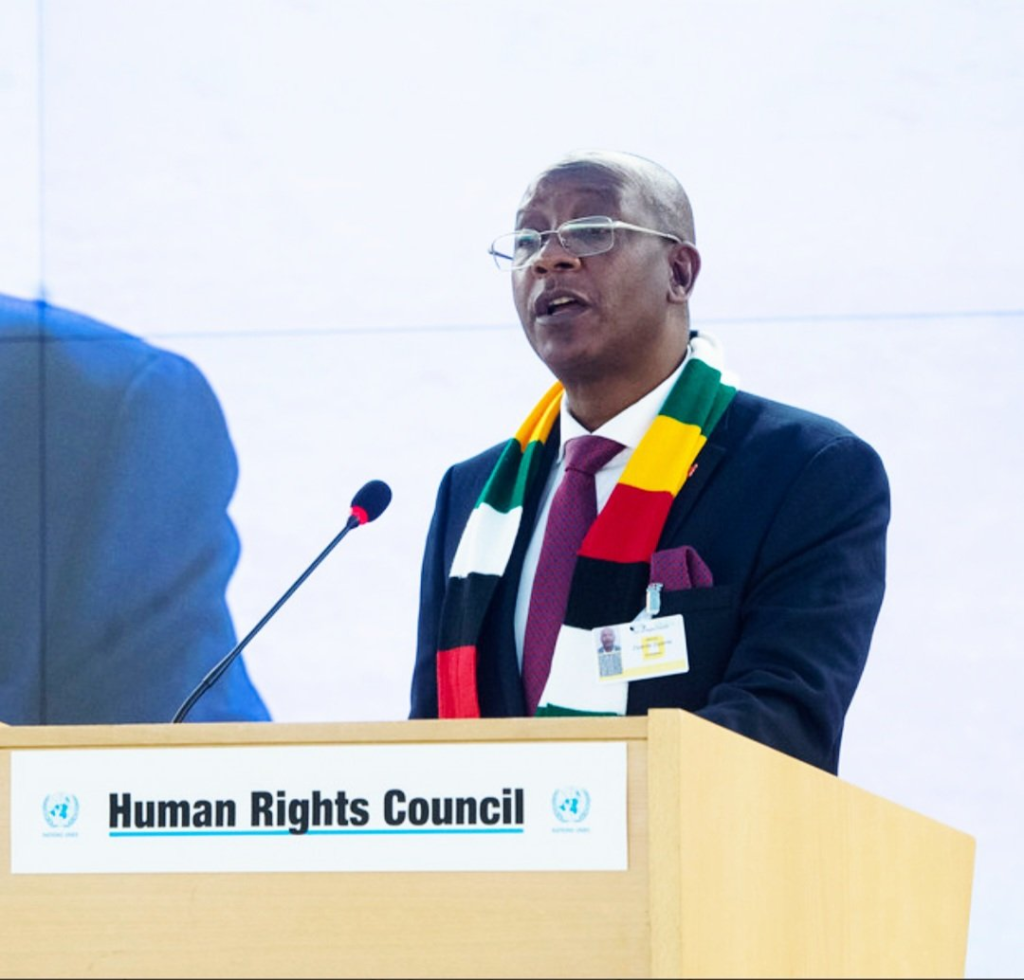
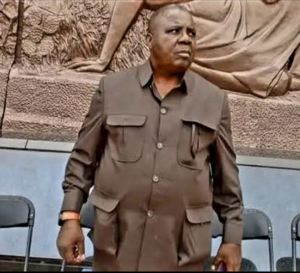
Zimbabwe will attend the 61st session of the United Nations Human Rights Council in Geneva under a cloud of avoidance and political calculation. Justice minister Ziyambi Ziyambi has withdrawn from the meetings, citing pressing commitments at home, leaving the country represented by Attorney General Virginia Mabiza. The explanation offered is administrative, but the reality is deeply political. Geneva is not just another conference. It is a place where power is questioned, records are examined, and narratives are challenged by those who live under repression.
Ziyambi was initially expected to attend but has now retreated to focus on controversial constitutional amendments that have already ignited public outrage. These amendments are being rushed through a ninety day consultation window that appears designed more for procedural cover than genuine public participation. Consultations with parliament, legal experts, consultants, and political strategists are ongoing, but the destination is already visible. The proposals would extend presidential tenure beyond the current two term limit that expires in 2028, stretch the presidential term from five to seven years, and abolish direct popular voting for the presidency. This is not reform. It is an attempt to dismantle the last remaining barriers to one man rule.
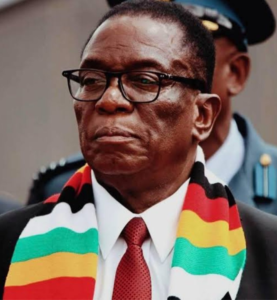
At the centre of this project stands Emmerson Mnangagwa, whose administration has perfected the language of legality while hollowing out its substance. Ziyambi’s sudden unavailability for Geneva must be read in this context. Facing international scrutiny while orchestrating constitutional capture at home would be politically inconvenient. Geneva demands answers, not slogans.
Virginia Mabiza now steps into this arena as the first woman to hold the office of Attorney General. Her appointment in November 2023 was historic, but symbolism will not shield her from the hard questions that await. Civil society organisations and human rights defenders will confront Zimbabwe’s delegation with evidence of repression, lawfare, and systematic abuse of state power. Mabiza’s task will not be to celebrate milestones but to defend an indefensible record.
The Council session itself comes at a moment of severe strain for the global human rights system. It will debate protection of human rights defenders, freedom of religion, counter terrorism measures, and the right to food and housing, while also addressing grave situations in Afghanistan, Nicaragua, Venezuela, China, Syria, South Sudan, Iran, North Korea, Myanmar, and the Occupied Palestinian Territory and Israel. Confidence in multilateral institutions is already eroded by selective application of international law, ongoing conflicts, and deep financial pressures within the United Nations. The genocide in Gaza, Russia’s war against Ukraine, and allegations of unchecked power by dominant states have all weakened the credibility of global accountability mechanisms.
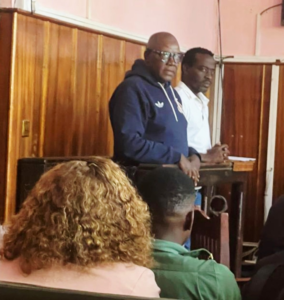
Zimbabwe’s own record has repeatedly been laid bare in Geneva. Government delegations often present polished narratives of progress, only for survivors, journalists, and activists to tell a very different story. Recently, journalist Blessed Mhlanga addressed a UN related forum in Geneva, describing intense repression, the use of lawfare to silence critics, and suffocating restrictions on media freedom. He warned that the proposed constitutional changes threaten to entrench authoritarian rule permanently.
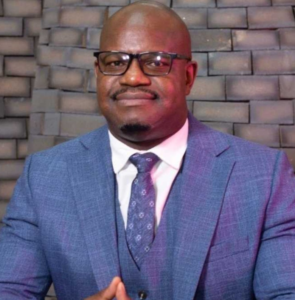
The state’s response was swift and revealing. Information minister Zhemu Soda dismissed Mhlanga’s testimony as malicious, while officials invoked so called patriotic clauses that criminalise engagement with foreign entities deemed harmful to the state. These threats prompted Geneva based civil society coalitions to call for urgent UN protection for the speaker.
Ziyambi’s absence speaks louder than any speech he might have delivered. It signals a government more comfortable rewriting the constitution behind closed doors than defending its actions before the world. Geneva will proceed without him, but Zimbabwe’s crisis of legitimacy will not be postponed.