Zimbabwe Is Not an Inheritance to Be Shared Among Powerful Men
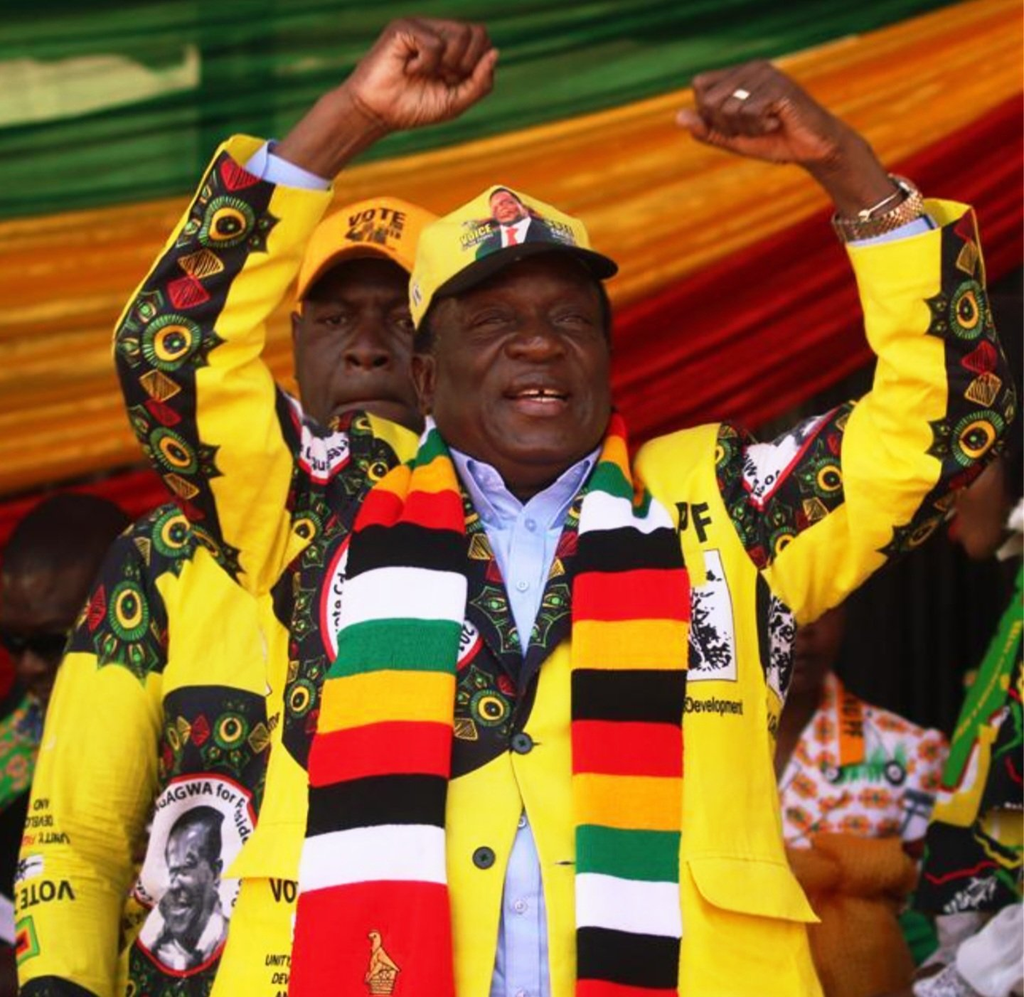
Somewhere in Zimbabwe, a citizen is being asked to admire a crowd, applaud a donation and accept that the next president will emerge from negotiations among people whose names are already familiar. The citizen’s own preference barely enters the conversation. We are told to study the businessman, watch the general and decode the President’s intentions. Who is asking what the electorate wants?
That is the democratic scandal beneath ZANU PF’s succession contest. A country belongs to its citizens, yet discussions about its future increasingly resemble negotiations over a private estate.
The recent Chinhoyi conference strengthened President Emmerson Mnangagwa’s position. Its resolutions moved the party’s elective congress from 2027 to 2029 and endorsed his continued leadership. Meanwhile, Kudakwashe Tagwirei’s rapid advancement through party and government positions has intensified speculation about his presidential prospects. Mnangagwa has not publicly designated him as his successor. Nevertheless, the concentration of opportunity around a wealthy insider deserves public scrutiny.
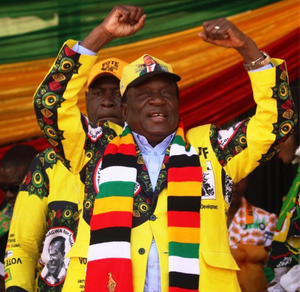
Money complicates every visible demonstration of political loyalty. Transport, food, clothing and payments can help assemble an impressive gathering. Where inducements are involved, photographs of cheering supporters cannot establish what those people actually believe. A crowd may contain committed followers, curious spectators and citizens simply taking an opportunity to eat.
That does not prove that any particular gathering was purchased. It means journalists and citizens should demand evidence before accepting organised enthusiasm as a reliable measure of political consent. Who financed the event? What were participants promised? Could they refuse without consequences?
These questions become more consequential when the electorate loses its direct presidential vote. Constitutional Amendment No. 3, enacted in July, replaced direct presidential elections with selection by Parliament and extended electoral terms. Legal challenges contesting aspects of those changes are scheduled for November. Their outcome remains unresolved.
Parliamentary selection is not inherently undemocratic. But its credibility depends on representatives who can exercise judgement, institutions that restrain abuse and citizens who can meaningfully hold decision makers accountable. Where political careers depend heavily on powerful patrons, concentrating the presidential choice among legislators deserves particularly searching scrutiny.
No evidence presented here establishes that parliamentary votes will be bought. The danger is that cultivating a limited circle of political gatekeepers becomes more valuable than persuading the public. Citizens are entitled to safeguards against that danger before it becomes another national regret.
Then there is Constantino Chiwenga. At Chinhoyi, he questioned whether the mistakes preceding the 2017 transition were being repeated and emphasised that the party belongs to its people. Those remarks warrant attention. They do not, by themselves, establish a democratic programme or an explicit break with Mnangagwa.
Zimbabweans should be especially cautious about treating military connections as democratic credentials. Chiwenga’s role in the removal of Robert Mugabe explains his significance within the succession struggle. It does not give him a superior claim to the presidency. Nor would another former commander’s emergence resolve the fundamental question of public consent.
We have already seen how excitement over the departure of one leader can overwhelm scrutiny of the arrangements replacing him. The lesson of 2017 should be to examine who gains power, what limits bind them and whether citizens can remove them peacefully.
The democratic demand must therefore be larger than stopping Tagwirei, advancing Chiwenga or discovering a surprise candidate. Zimbabwe needs transparent political financing, independent institutions and leadership chosen through a credible public mandate.
Let ZANU PF settle its internal positions through its own lawful processes. The presidency of Zimbabwe is another matter. No fortune, military history or presidential favour should become a title deed to the country.