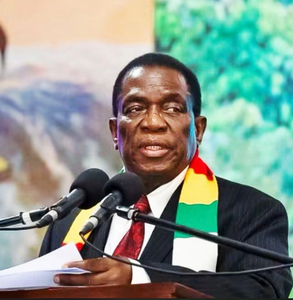
Mnangagwa’s Term Was Before the Court. Then Chivayo Offered Uriri a Range Rover
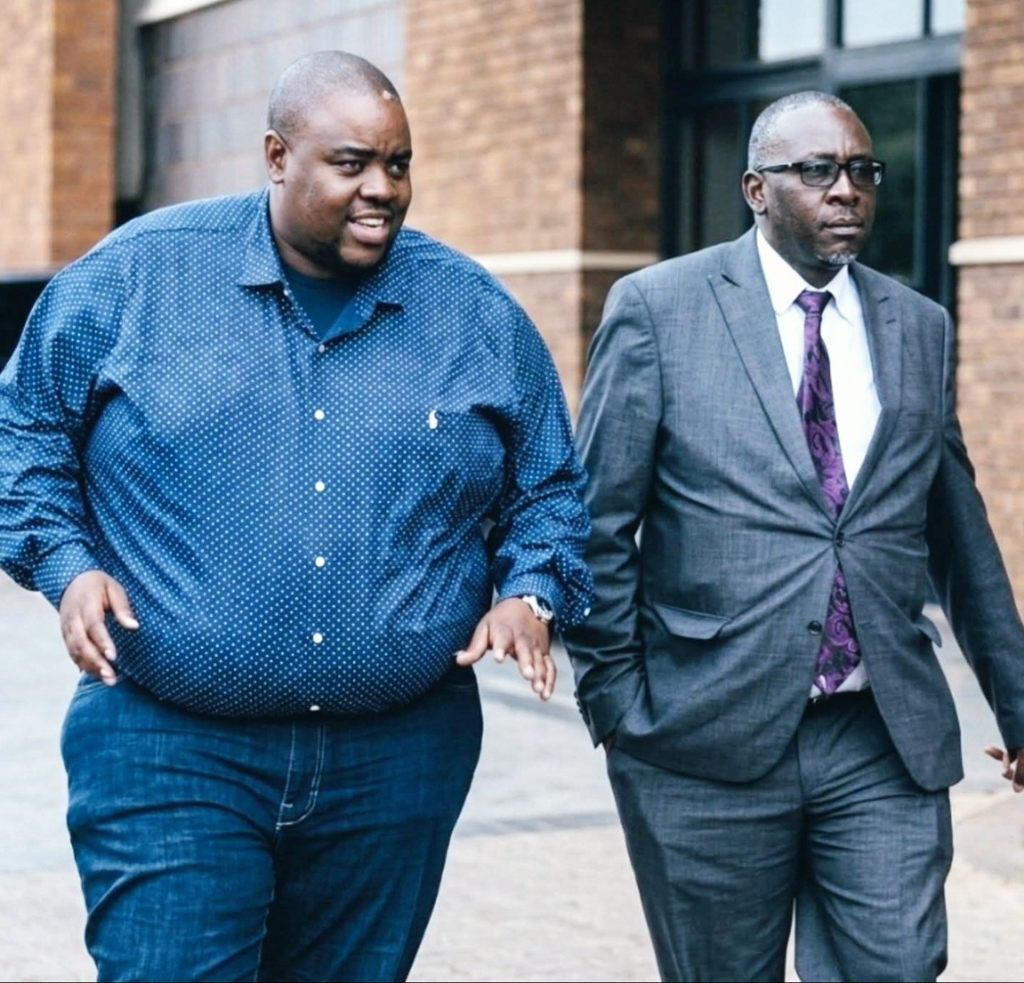
US$50,000 for fuel. That was the part of Wicknell Chivayo’s offer that ought to have stopped anyone reading it. On 21 September, the businessman announced a US$250,000 Range Rover for Advocate Lewis Uriri, US$50,000 to keep it running and another US$50,000 for his wife. The following morning, Uriri was due in the Constitutional Court to challenge the amendment that extended President Emmerson Mnangagwa’s term and took the direct presidential vote out of Zimbabweans’ hands. Of all the days to thank a former lawyer, Chivayo chose that one.
My reading is that the second offer looked like a bribe. I say that because of who made it, when he made it and what accepting it would have done to the relationship between Uriri and the people he represented. Chivayo was close to Mnangagwa. The constitutional challenge concerned a change from which Mnangagwa stood to benefit. And Chivayo put the offer before the whole country while Uriri still had clients to face and arguments to make. His private intention remains his own. The pressure his announcement placed on the advocate was plain enough.
There was, of course, the first car. In 2024, while Chivayo was his client, Uriri accepted a Land Rover Discovery that Chivayo later valued at about US$120,000. Footage showed the handover. Chivayo also spoke of first class travel and a holiday for Uriri and his wife. His explanation was personal. He respected the man who had represented him, appreciated his work and regarded him as a brother. That history belongs in any honest telling of this story.
I think Advocate Thabani Mpofu weakened a good defence when he floated the possibility that the Discovery had been payment for legal services. Chivayo had already given his account. He described something freely given out of affection and gratitude. Anyone suggesting the car settled a legal bill should be prepared to say what supports that interpretation. Besides, Uriri’s refusal in September stands on its own merits. He was entitled to recognise that what he had once accepted from a client would be improper to accept under very different circumstances.
Mpofu came much closer to the heart of it with two Shona words, munhu wedu. Our man. Imagine the photograph if Uriri had taken those keys. Imagine being one of the people who had entrusted him with a challenge to Mnangagwa’s extended tenure, then seeing that photograph on your phone before the hearing. Your lawyer might still argue every point with conviction. But why should you have to sit in court wondering whether the man presenting your case now felt personally indebted to somebody close to the President?
That is how patronage can serve ZANU PF even without an instruction from party headquarters. A wealthy supporter makes a public gesture. Somebody else must either accept the obligation or risk offending him by saying no. Meanwhile, a constitutional dispute over whether millions of Zimbabweans should choose their own president becomes, for a news cycle, a spectacle about who will collect a rich man’s car. The citizens who brought the case had every reason to resent that intrusion.
Uriri and his wife gave the answer those citizens deserved. They declined the vehicle and both cash offers. I see no contradiction in questioning his judgment over the Discovery and applauding him for refusing the Range Rover. The question that lingers for me concerns Chivayo’s judgment. If all he wanted was to thank an old friend, why did the thank you have to come before the hearing? He could have waited until Uriri had finished speaking for his clients. They were owed that much.