Whose pocket is Zimbabwe’s growth reaching?
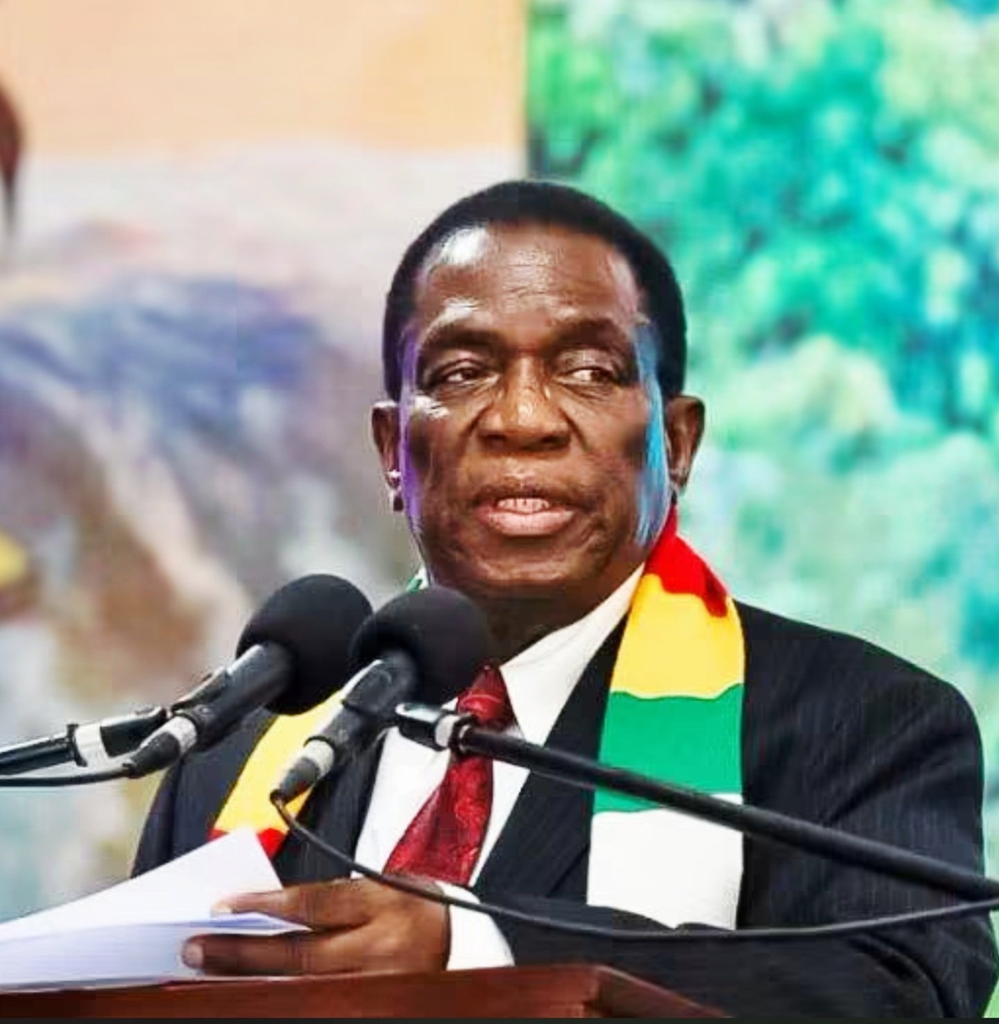
US$130 a month. That was the median income for an informal worker in Zimbabwe, according to a World Bank report released on 4 September. Twenty five days later, President Emmerson Mnangagwa stood before Parliament and said his government was “leaving no one and no place behind”. I wish an MP had been given the chance, there and then, to ask him how much further that US$130 goes than it did a year ago. An answer would have told us something about the state of the nation.
Mnangagwa had a respectable economic case to make. Annual inflation in the local currency had fallen to single digits. Anyone who has tried to price goods for a tuckshop while the currency loses value between buying stock and selling it knows what a relief some stability can be. A shopkeeper can quote a price in the morning with a little more confidence about what it will cost to replace that stock. The Reserve Bank recorded annual ZiG inflation of 4.1 per cent in January. That achievement deserves recognition.
Where the President overreached was in treating national figures as proof of what had happened in people’s homes. He reported US$10.7 billion in foreign currency inflows in the first half of 2026 and projected about US$20 billion by December. A dollar entering Zimbabwe tells us very little about whose pocket it reaches. A family member sending money home and a mining company selling gold abroad can both contribute to the national total. Only one of those transactions tells a mother with a school fees bill whether she can pay it on Friday.
The World Bank found that roughly four in five working Zimbabweans earn their living in the informal sector. Despite years of economic growth, the report found little widespread improvement in productive employment or household incomes. That evidence was available before the President addressed Parliament. Imagine the speech he might have given had he taken those workers as his starting point. How many people who wanted steady work had found it? What did their wages buy? Where were the gains smallest, and what had his ministers done about it?
Take lithium. Mnangagwa celebrated the production of lithium sulphate in Zimbabwe. There is good reason to process more of our minerals at home. What I wanted to hear next was how many local people had secured skilled jobs, what Zimbabwean suppliers had earned and how much revenue the public would receive. Those figures would give the people living nearest a mine a fair chance to judge what the investment had brought them. They would also give Parliament something to scrutinise beyond the announcement of another plant.
Agriculture offered an even clearer test. Having celebrated a strong harvest, Mnangagwa warned of poor rains ahead and outlined plans for grain reserves and drought preparation. A farmer deciding what to plant cannot budget with the name of a government plan. She needs to know when the seed will arrive, where she can get water and who will answer if promised assistance reaches her district after planting time. MPs could return to the same villages after the rains and check those promises against what actually arrived.
That is the work ZANU PF’s language of universal progress makes harder. Once the President declares that everyone is benefiting, a citizen who says otherwise has to argue with the government’s conclusion before anyone attends to the price of mealie meal or a missed planting season. Parliament should invite that citizen in. Give the trader earning US$130 a month the same hearing the President received on 29 September. Then let her tell the House, in her own words, how the economy is doing.