SPEAKER SHUT DOWN DEBATE ON RETURN OF OPPOSITION MPS
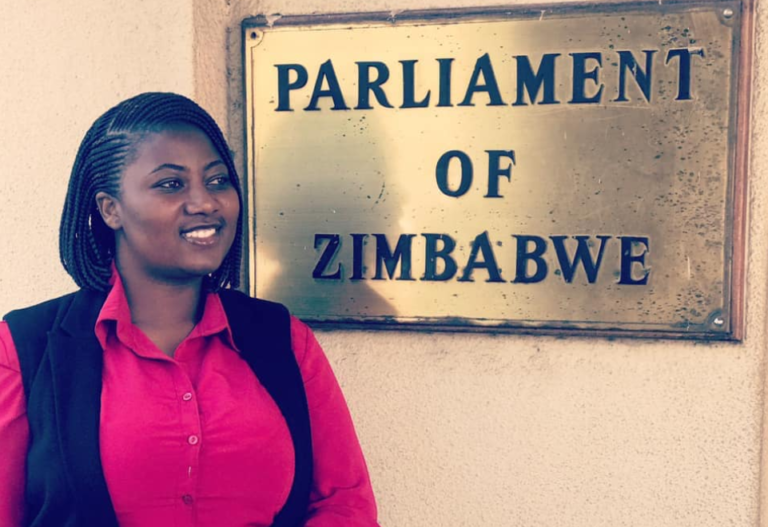
In a dramatic turn of events within Zimbabwe’s parliament, Speaker Jacob Mudenda and Zanu PF Chief Whip Pupurai Togarepi vehemently confronted CCC Harare West MP Joana Mamombe during a contentious debate. This confrontation followed Mamombe’s queries regarding the reinstatement of 23 opposition MPs who had been previously ousted. This political strife unfurled in the shadow of a critical ruling by the Inter Parliamentary Union (IPU), advocating for the MPs’ restoration to their legislative duties.
The IPU, a global consortium of national parliaments, issued a poignant critique in March through its Committee on the Human Rights of Parliamentarians. The report lambasted the ousting of the CCC MPs, pinning the blame on decisions steered by the self-declared opposition party secretary-general, Sengezo Tshabangu. His determinations, seemingly arbitrary, garnered support from not only the Parliament but also the judiciary, executive, state security, and other opportunistic entities, thus receiving a broad institutional endorsement of these contentious recalls.
The parliamentary session turned heated when Mamombe endeavored to spotlight the IPU’s findings, stressing the implications for Zimbabwe’s adherence to parliamentary integrity and human rights. However, her effort was quickly thwarted by Togarepi, who dismissed the need to revisit IPU-related discussions, claiming they had been conclusively settled by the parliamentary committee.
Speaker Mudenda echoed Togarepi’s sentiment, maintaining that Zimbabwe had sufficiently addressed the IPU’s concerns during the Assembly and that the matter was resolved without necessitating further debate. This stance quashed any potential for further dialogue within the session, effectively silencing Mamombe, who protested what she perceived as a premature dismissal of her privileges.
The IPU’s March report expressed serious reservations about the recall methodology, suggesting these actions violated essential democratic tenets like the free representational mandate and freedom of expression—principles zealously protected by the IPU. The report criticized the acceptance of a dubious letter from an alleged outsider, which triggered the MPs’ recall, and lamented the precipitous nature of their ousting without adequate parliamentary debate.
Moreover, the IPU requested further clarifications from both the National Assembly and Senate, pointing to lingering issues and a lack of transparency in the recall process. This call for clarity followed a disregarded plea from Nelson Chamisa, former CCC leader, which might have swayed Mudenda’s decision had it been acknowledged in a timely manner. Unfortunately, Chamisa’s letter, which exposed Tshabangu as an impostor and was dated three weeks prior to the recalls, was dismissed on the grounds of untimely submission.
This episode is emblematic of broader systemic challenges within Zimbabwe’s political framework, where questions about judicial independence abound, and civic space is contracting, particularly in light of the contentious 2023 elections and ongoing repression against opposition parliamentarians.
As Zimbabwe navigates these tumultuous political waters, the international community, epitomized by entities like the IPU, remains an essential observer and commentator on the country’s human rights and democratic processes. The outcomes of this parliamentary confrontation and subsequent responses by Zimbabwean officials will significantly influence the nation’s international reputation and internal political stability.
4