CAB3 IS NOT CONSTITUTIONAL REFORM. IT IS THE GRADUAL DISMANTLING OF ZIMBABWEAN DEMOCRACY
With the signing of Constitution Amendment No. 3 into law, Zimbabwe has entered a new constitutional and political era. What the government describes as a necessary reform for stability and continuity is, for many Zimbabweans, a dangerous retreat from the democratic values enshrined in the 2013 Constitution.
The amendment is not simply another Act of Parliament. It fundamentally changes how political power is exercised, how leaders are chosen and how citizens participate in determining the future of their country. For critics, it represents one of the most significant assaults on constitutional democracy since independence.
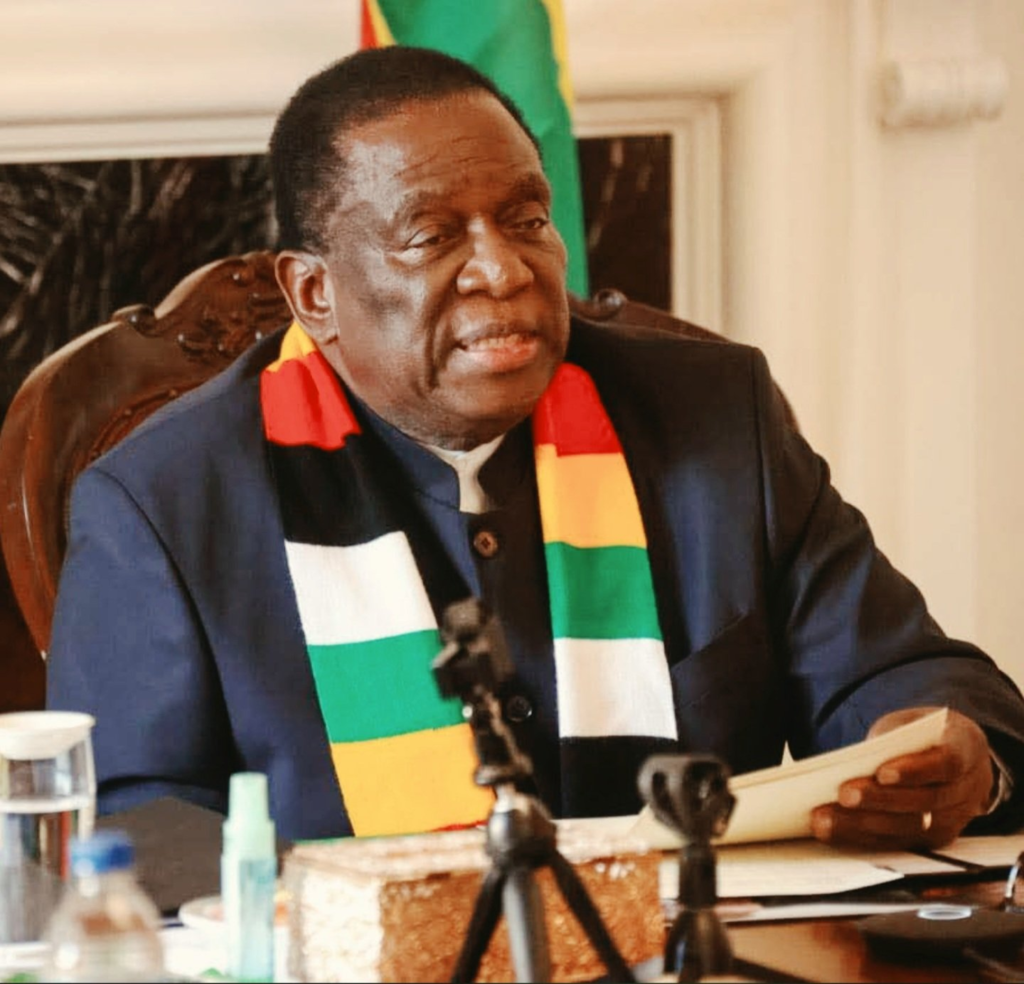
President Emmerson Mnangagwa’s decision to sign CAB3 into law extends the presidential and parliamentary term from five years to seven years. This means Zimbabweans who expected to vote in 2028 will now have to wait until 2030. Two additional years have been added to the life of the current administration without a fresh mandate from the electorate.
Even more concerning is the provision that future Presidents will no longer be elected directly by Zimbabwean citizens. Instead, the Head of State will be chosen through Parliament.
This marks a profound departure from one of the most fundamental principles of democracy. In any genuine democracy, political authority originates with the people. Elections are not merely constitutional rituals. They are the mechanism through which citizens reward good leadership, reject poor governance and hold those in power accountable.
Removing that direct relationship between the voter and the Presidency fundamentally changes Zimbabwe’s democratic architecture.
Supporters of CAB3 argue that the reforms will reduce the country’s constant election cycle, create political stability and allow governments to complete long term development programmes without electoral disruptions.
Those arguments deserve consideration. Every nation benefits from stability.
However, stability achieved by weakening democratic accountability comes at a very high cost. Democracy is not designed for the convenience of those in office. It exists to protect the rights of citizens against the concentration of political power.
History repeatedly shows that when constitutional safeguards are weakened in the name of stability, restoring those democratic protections becomes far more difficult.
The 2013 Constitution was not an ordinary legal document. It emerged after years of political violence, constitutional negotiations and national consultation. It represented a collective agreement that executive authority should be limited by constitutional safeguards and that sovereignty belongs to the people.
CAB3 moves Zimbabwe away from that constitutional vision.
Critics argue that the amendment strengthens executive power while reducing the direct influence of ordinary citizens over the country’s highest political office. They contend that extending political terms without seeking a renewed electoral mandate weakens one of democracy’s most important accountability mechanisms.
Equally worrying is the precedent these changes establish.
Constitutions are intended to provide certainty, predictability and protection against arbitrary political change. When constitutional rules can be fundamentally altered by those who stand to benefit from them, public confidence in constitutionalism itself begins to weaken.
Zimbabwe has already experienced years of economic instability, governance challenges and declining public confidence in state institutions. At such a moment, strengthening democratic institutions should be a national priority rather than reducing opportunities for citizens to directly determine their political future.
The passage of CAB3 also exposes the consequences of a fragmented opposition. Years of internal divisions, leadership disputes and organisational instability significantly weakened parliamentary resistance to one of the most consequential constitutional amendments in Zimbabwe’s recent history. While responsibility for CAB3 ultimately rests with those who supported and enacted it, a stronger and more united opposition may have mounted a far more effective challenge.
The consequences of these constitutional changes will not be measured only in legal terms. They will shape Zimbabwe’s political culture for generations. Young Zimbabweans who have grown up believing that leadership is determined through the direct vote of the people now face a constitutional framework that alters that fundamental democratic principle.
The debate over CAB3 is therefore much bigger than one President or one political party.
It is about the future of constitutional governance in Zimbabwe.
It is about whether power should continue to flow from the people or whether it should increasingly be concentrated within political institutions that are further removed from direct public accountability.
Democracy is rarely destroyed in a single dramatic moment. More often, it is weakened gradually through legal and constitutional changes that slowly shift power away from citizens while preserving the appearance of legality.
That is why CAB3 has generated such intense concern among many Zimbabweans.
The Constitution should always protect the people from excessive political power. It should never become an instrument through which political power protects itself. Zimbabwe’s democratic future will ultimately depend on whether constitutionalism remains anchored in the sovereignty of the people or becomes increasingly defined by the interests of those who govern.