THE SUCCESSION WAR BEHIND CAB3: ZIMBABWE’S RULING PARTY ENTERS A NEW POWER STRUGGLE
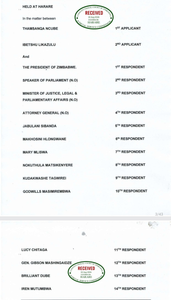
The battle over Constitutional Amendment No. 3 is exposing a deeper conflict within Zimbabwe’s ruling establishment. Beyond the public debate about democracy, elections, and constitutional reform lies a fierce internal struggle over who controls the future direction of ZANU PF and ultimately the country.
CAB3 has intensified tensions within the ruling party, revealing cracks in a succession battle that has been building for years. What appears on the surface as a constitutional debate is also a contest for political survival, influence, and control of the post Mnangagwa era.
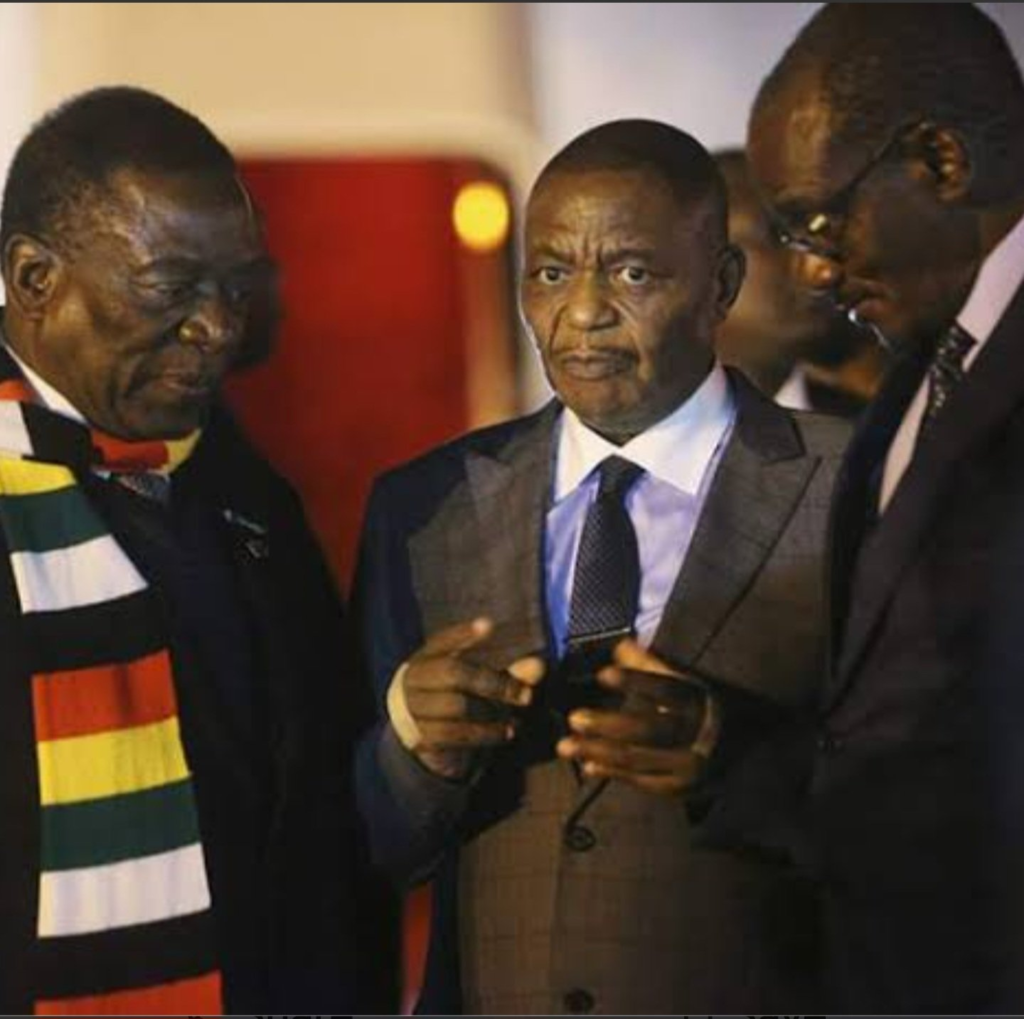
Vice President Constantino Chiwenga and his allies have accused President Emmerson Mnangagwa of being the driving force behind the so called “2030 agenda”, arguing that the constitutional changes are designed to extend his stay in power beyond the original electoral timeline.
Those aligned with Chiwenga have described the amendment as a constitutional takeover, arguing that it undermines democratic principles and removes citizens from the centre of decisions about leadership succession.
The criticism has triggered a fierce response from Mnangagwa’s supporters, particularly figures who played key roles in pushing the constitutional changes through Parliament.
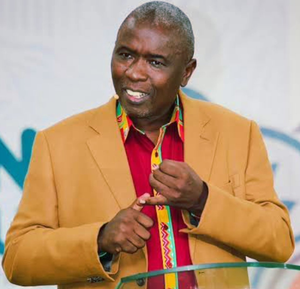
Justice Minister and ZANU PF Secretary for Legal Affairs Ziyambi Ziyambi has been among those defending the amendment. Allies of the President have dismissed accusations against the government as politically motivated and have accused critics of attempting to destabilise the ruling party.
The growing confrontation demonstrates that CAB3 is not only a dispute between ZANU PF and opposition forces. It is also a battle within ZANU PF itself, where competing factions are fighting over the future of power.
For Vice President Chiwenga, the succession question has always been central. Since the 2017 military intervention that removed former President Robert Mugabe, expectations have surrounded Chiwenga’s political ambitions and his possible path to the presidency.
However, CAB3 has complicated that journey by creating a new political reality where Mnangagwa’s tenure could continue beyond the period many had expected a leadership transition to occur.
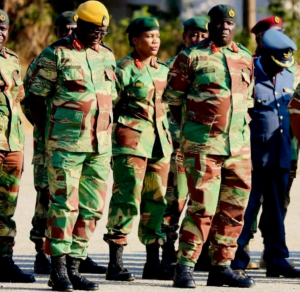
The emergence of retired military figures challenging the amendment has added another layer to this conflict. Former commanders and liberation era figures opposing CAB3 have created pressure against the extension of Mnangagwa’s rule while also highlighting divisions among groups that historically shaped Zimbabwe’s political order.
Their intervention represents an unusual moment where individuals from within the liberation and security establishment are questioning decisions made by the current leadership.
For decades, Zimbabwe’s military establishment has played a significant role in determining political outcomes. From the final years of Mugabe’s leadership to the events of 2017, the security sector has remained one of the most influential forces in national politics.
However, Mnangagwa’s administration appears to have worked to strengthen its relationship with the military leadership while reducing the influence of competing factions within the security establishment.
This has created a new political environment where succession battles are no longer fought only through traditional party structures. They are increasingly being shaped by competing networks of influence, historical alliances, and institutional power.
The open challenge from former generals and allies of Chiwenga signals that the succession issue remains unresolved.
The future leadership question within ZANU PF has always been highly contested. From the early years of the liberation movement to Mugabe’s long presidency and now Mnangagwa’s leadership, internal battles over succession have repeatedly shaped the party’s direction.
The current struggle may become one of the most significant yet.
Whether the eventual successor is Chiwenga, another senior ZANU PF figure, or a new political force emerging from within the ruling establishment, the transition is unlikely to be simple or predictable.
The next few years will test whether ZANU PF can manage internal competition peacefully or whether factional battles will deepen divisions within the party and the state.
CAB3 may have been presented as a constitutional reform, but its political consequences are far broader. It has reopened unresolved questions about leadership, succession, and the future balance of power in Zimbabwe.
The struggle ahead is not only about 2030. It is about who controls the political future of the country and whether Zimbabwe’s next transition of power will be determined through democratic processes or through another battle among powerful factions behind closed doors.