THE NUMBERS SIMPLY DO NOT ADD UP IN ZANU PF’S DEFENCE OF CONSTITUTIONAL AMENDMENT BILL NO. 3
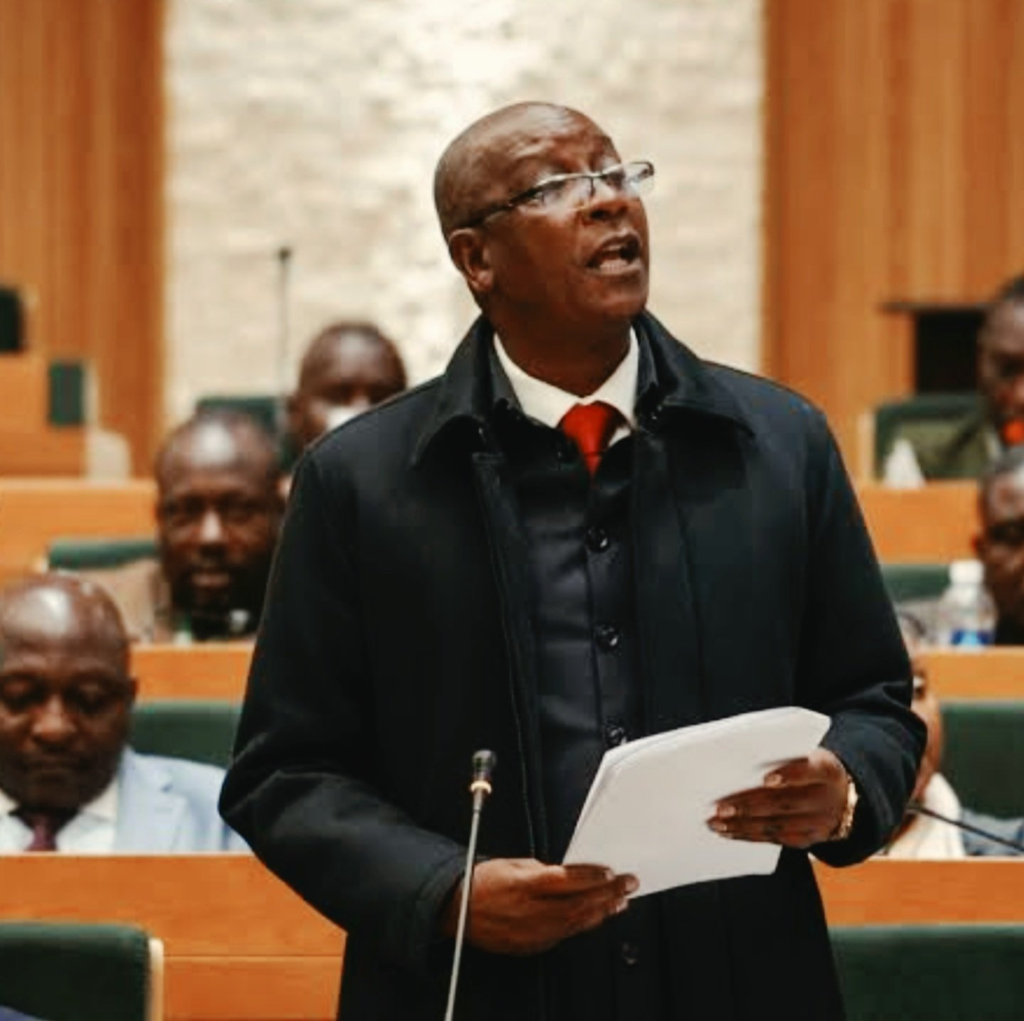
As the battle over Constitutional Amendment Bill No. 3 intensifies, Justice Minister Ziyambi Ziyambi has attempted to present the proposed changes as the product of overwhelming public and parliamentary support. Yet a closer examination of the figures and arguments presented in Parliament raises serious questions about whether Zimbabweans are being told the whole truth.
Replying to the Second Reading debate in the National Assembly, Ziyambi painted a picture of a nation enthusiastically embracing one of the most controversial constitutional amendments since the adoption of the 2013 Constitution. According to the minister, the Joint Committee tasked with gathering public views received an astonishing 540,037 submissions on the Bill, with 537,102 allegedly supporting it and only 2,935 opposing it.
If these figures are to be believed, then more than 99 percent of Zimbabweans who participated in the process endorsed the proposed amendments.
That claim alone should invite scrutiny.
Zimbabwe is a deeply polarised country. Elections are fiercely contested. Political debates regularly divide communities, families and institutions. Yet the government expects citizens to believe that a constitutional amendment containing provisions as contentious as presidential selection by Parliament, changes affecting traditional leaders, and alterations to independent commissions generated virtually no opposition from the public.
Such numbers would be remarkable in any democracy. In Zimbabwe’s political environment, they appear even more extraordinary.
The minister also celebrated the fact that 182 Members of Parliament contributed to the debate, describing it as the most debated constitutional amendment in the country’s history. He noted that 111 members supported the Bill outright, while another 31 expressed support despite reservations on specific provisions.
However, parliamentary participation does not automatically translate into public legitimacy. Zimbabwe’s Parliament is dominated by ZANU PF and individuals whose political survival often depends on remaining aligned with the ruling party. A large number of speeches in support of a government-sponsored Bill does not necessarily reflect genuine national consensus.
More importantly, even the Joint Committee’s own report appears to reveal concerns that undermine the government’s narrative of overwhelming support. The committee reportedly recommended that some provisions should be refined, while others should not be adopted at all. Among the recommendations was the proposal that the provision concerning the political status of traditional leaders should not proceed.
This raises an obvious question. If public support was as overwhelming as the minister claims, why did the committee itself feel compelled to reject or modify parts of the Bill?
The government wants Zimbabweans to focus on the headline numbers. Yet democracy is not measured by statistics alone. It is measured by the quality of participation, the freedom of citizens to express dissenting views, and the transparency of the processes used to collect public opinion.
Unfortunately, many Zimbabweans remain sceptical. Years of disputed elections, allegations of state intimidation, and concerns over the independence of public institutions have created a trust deficit that cannot be erased by simply presenting large figures in Parliament.
The Constitution is not an ordinary piece of legislation. It is the supreme law of the land. Any attempt to amend it must be subjected to the highest standards of transparency, accountability and public scrutiny.
For that reason, Zimbabweans have every right to ask difficult questions about the figures being presented in support of Constitutional Amendment Bill No. 3. They have every right to demand evidence showing how these submissions were collected, verified and analysed.
When a government claims that more than 537,000 citizens support a controversial constitutional amendment while fewer than 3,000 oppose it, scepticism is not unreasonable.
In fact, it is necessary.
Because when it comes to changing the Constitution, numbers alone should never be enough. The public deserves proof.




Constitutional amendments are different from ordinary laws because they shape the rules that everyone lives under. That means citizens naturally expect a higher standard of openness and accountability. Even supporters of the proposed changes should welcome transparency because it strengthens the credibility of the outcome. If the public believes the consultation process was fair, the final decision is far more likely to be accepted regardless of political affiliation.
Whether someone supports the Bill or opposes it, transparency should be everyone’s priority. If public consultations were conducted fairly, then publishing detailed information about attendance, submissions and methodology should strengthen confidence rather than weaken it. In constitutional matters, openness benefits everyone because it reduces speculation and allows citizens to judge the process for themselves instead of relying on political narratives from either side.
Those numbers are what caught my attention. In such a divided country, claiming over 99% support was always going to raise eyebrows.
One thing I’ve learned over the years is that numbers without context rarely settle political debates. People want to know how submissions were collected, whether everyone had equal opportunity to participate, how responses were verified, and whether dissenting voices felt free to express their views. Those questions don’t automatically mean the figures are wrong. They simply reflect the reality that constitutional reform requires an exceptionally high level of public trust. Without that trust, even accurate statistics may struggle to convince a sceptical public. That’s why transparency is just as important as the numbers themselves.