OPPOSITION DIVIDED, ZANU PF DELIGHTED: THE COST OF ENDLESS INFIGHTING
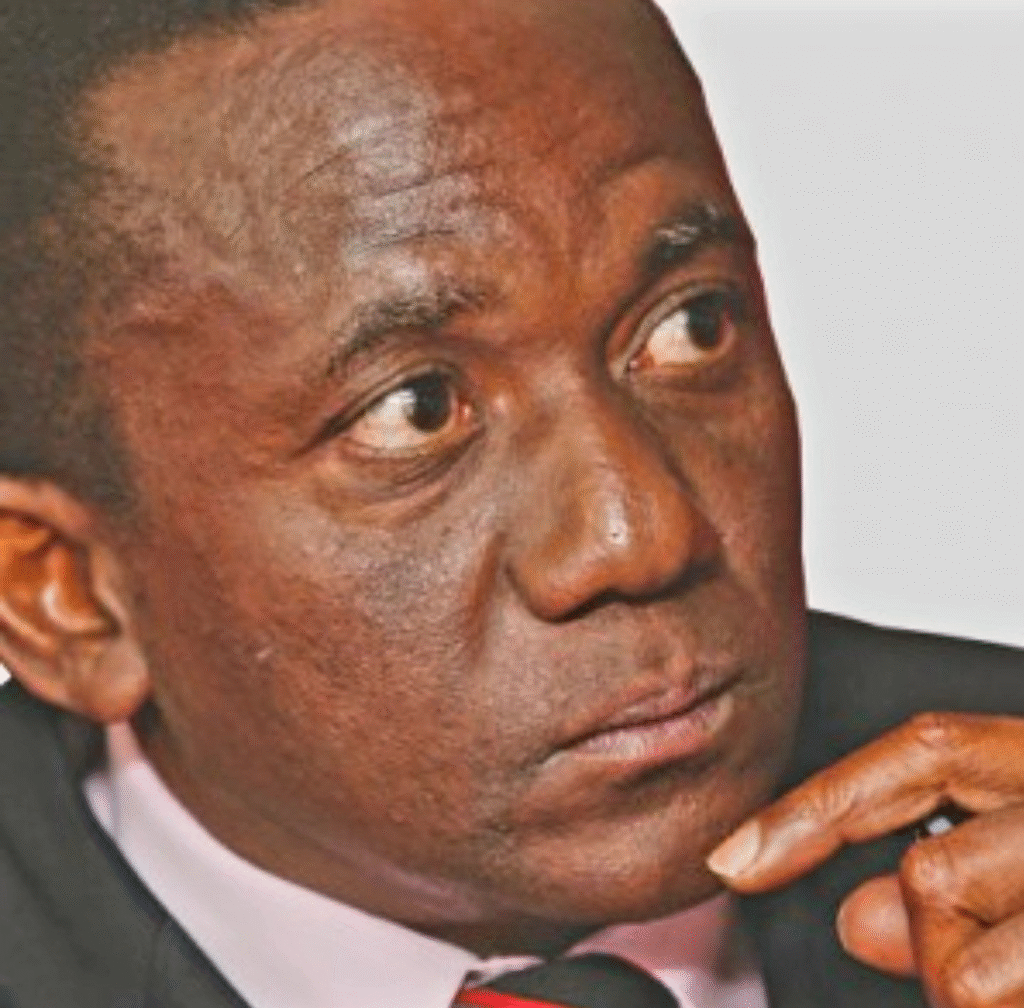
Zimbabweans who want political change have every reason to be concerned by the growing divisions within the opposition. At a time when the country is facing economic hardship, unemployment, corruption, and failing public services, opposition leaders should be working together. Instead, much of their energy is being spent fighting one another while ZANU PF continues to strengthen its hold on power.
The latest disagreement involving Jameson Timba and Nelson Chamisa over Constitutional Amendment Bill No. 3 has once again exposed serious cracks within opposition politics. What should have been a united effort to defend the Constitution has instead become a public argument about leadership, authority, and who has the right to speak on behalf of the democratic struggle.
Reports of a leaked audio recording allegedly captured Chamisa strongly criticising Timba and questioning both his role and his mandate to challenge the constitutional amendments. The comments surprised many people, especially those familiar with Timba’s long involvement in Zimbabwe’s fight for democracy.
Jameson Timba is not someone who suddenly appeared in opposition politics. He has been part of the movement for democratic change for many years. He worked closely with the late Morgan Tsvangirai, a man whose name became closely linked with resistance to authoritarian rule in Zimbabwe. Timba also worked alongside Nelson Chamisa before the current tensions emerged.
His record speaks for itself. He has spent years participating in political activism and has faced the risks that come with challenging those in power. In June 2024, Timba and several activists were arrested after gathering at his private residence in Avondale to commemorate the Day of the African Child. They remained in detention for more than five months. Whether one agrees with all his political positions or not, it is difficult to argue that he has not been actively involved in the struggle for democratic reform.
That is why many Zimbabweans were surprised to hear questions being raised about his legitimacy. For many observers, legitimacy is not something that comes only from holding a particular title. It is also earned through years of service, sacrifice, and commitment to a cause.
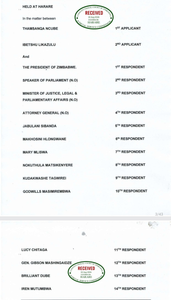
Timba responded to the controversy in a measured manner following the Constitutional Court hearing challenging the amendment process. He thanked those who participated in defending constitutional principles and acknowledged individuals who had contributed to the legal challenge.
One statement attracted particular attention.
He said that democratic work is collective work, involving different actors united by a common constitutional purpose. He also argued that a mandate is earned through service, organisation, and consistent participation rather than simply being declared.
The statement appeared to raise a larger question that goes beyond the disagreement between two individuals. Does the struggle for democracy belong to a single leader, or does it belong to all citizens who are willing to defend democratic values?
For many years, Zimbabwe’s opposition has struggled with personality politics. Too often, attention has focused on individuals instead of building strong institutions capable of surviving internal disagreements. This has weakened opposition movements and created opportunities for ZANU PF to remain politically comfortable.
Defending the Constitution should never depend on approval from one political figure. It should be the responsibility of every Zimbabwean who believes in democratic governance and the rule of law.
The bigger concern is what these disputes reveal about the opposition’s readiness to govern. Citizens are looking for leadership that is disciplined, united, and focused on solving national problems. They want leaders who can address economic decline, poor healthcare, corruption, and growing poverty.
When opposition figures spend more time fighting each other than confronting the ruling party, ZANU PF benefits while ordinary Zimbabweans lose.
The struggle for Zimbabwe’s future is far too important to be reduced to personal rivalries. Without unity, purpose, and teamwork, the dream of meaningful change will remain frustratingly out of reach.

The real tragedy is that ordinary people are caught in the middle of these disputes. Citizens facing unemployment, poor healthcare, corruption, and economic hardship are not spending their days worrying about who has a stronger mandate within opposition politics. They want leaders who can organise effectively, work together when necessary, and provide a credible alternative vision for the country. Every public conflict between opposition figures may seem important to political insiders, but many voters see it differently. They see time, energy, and attention being diverted away from the issues affecting daily life. If opposition leaders genuinely want to build public confidence, they will need to show that shared democratic goals matter more than personal rivalries.
The saddest part is that many citizens no longer expect unity. Internal conflict has become so common that every new disagreement feels predictable. That’s dangerous because public cynicism eventually turns into disengagement. When people lose faith that political actors can work together around shared principles, they stop believing meaningful change is possible. Rebuilding that trust will take much more than speeches.