THE OPPOSITION COLLAPSED, AND ZANU PF STOPPED WORRYING
Zimbabwe’s struggle for democracy has reached a troubling stage. There was a time when many people genuinely believed political change was possible. Millions of citizens placed their hopes in a strong opposition movement that seemed capable of challenging ZANU PF and ending its long grip on power. Today, that hope has faded. The opposition is divided, weakened, and struggling to present itself as a serious alternative. While opposition supporters argue among themselves, ZANU PF continues to strengthen its position.
When the Movement for Democratic Change (MDC) emerged in 1999, it was unlike anything Zimbabwe had seen before. It was not simply another political party looking for votes. It was built from years of social and economic struggles. Workers organised through the Zimbabwe Congress of Trade Unions played a major role. Civic organisations joined the movement. Students became active participants. Constitutional reform campaigners added their voices. Together they created a political force with clear leadership, functioning structures, and strong grassroots support across the country.
That is what made the MDC such a powerful challenge to ZANU PF. It was larger than any individual politician. It was built on institutions and systems that gave it strength and direction.
Morgan Tsvangirai became the symbol of that movement. Many Zimbabweans admired him because he appeared courageous and connected to ordinary citizens. He inspired confidence and gave people hope that democratic change could be achieved through elections. However, after his death in February 2018, the cracks that had been hidden for years suddenly became impossible to ignore.
Instead of coming together, opposition leaders turned against one another. A fierce struggle for power emerged among senior figures. Nelson Chamisa, Thokozani Khupe, Douglas Mwonzora, Welshman Ncube, Elias Mudzuri, and Tendai Biti all became associated with disputes that exposed deep divisions within the movement. The opposition that once frightened ZANU PF increasingly looked consumed by internal battles.
Chamisa succeeded in leading the MDC Alliance into the 2018 elections. He attracted significant support, particularly from younger voters who believed he represented a fresh start. Large rallies created excitement and optimism. Many supporters became convinced that victory was within reach.
Yet politics requires more than popularity.
After the election, Emmerson Mnangagwa was declared the winner with 50.8 percent of the vote while Chamisa received 44.3 percent. The opposition challenged the outcome in court, alleging electoral irregularities. However, the challenge failed because critical evidence was lacking, including sufficient V11 polling station returns needed to support the case.
That moment exposed a major weakness. The opposition had enthusiasm and public support, but it lacked the organisational systems needed for a prolonged political fight.
The old MDC understood the importance of preparation, documentation, and structure. The newer opposition increasingly relied on momentum, emotion, and personalities.
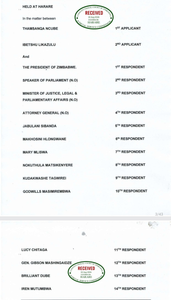
Another major setback arrived in 2020 when the Supreme Court ruled that Chamisa’s rise to leadership of the MDC-T was unlawful. Control of party assets, structures, and state funding eventually shifted to Khupe and later to Mwonzora. The ruling triggered recalls of MPs and councillors linked to Chamisa, severely weakening opposition representation in Parliament and local government.
Rather than rebuilding institutions, another restart followed.
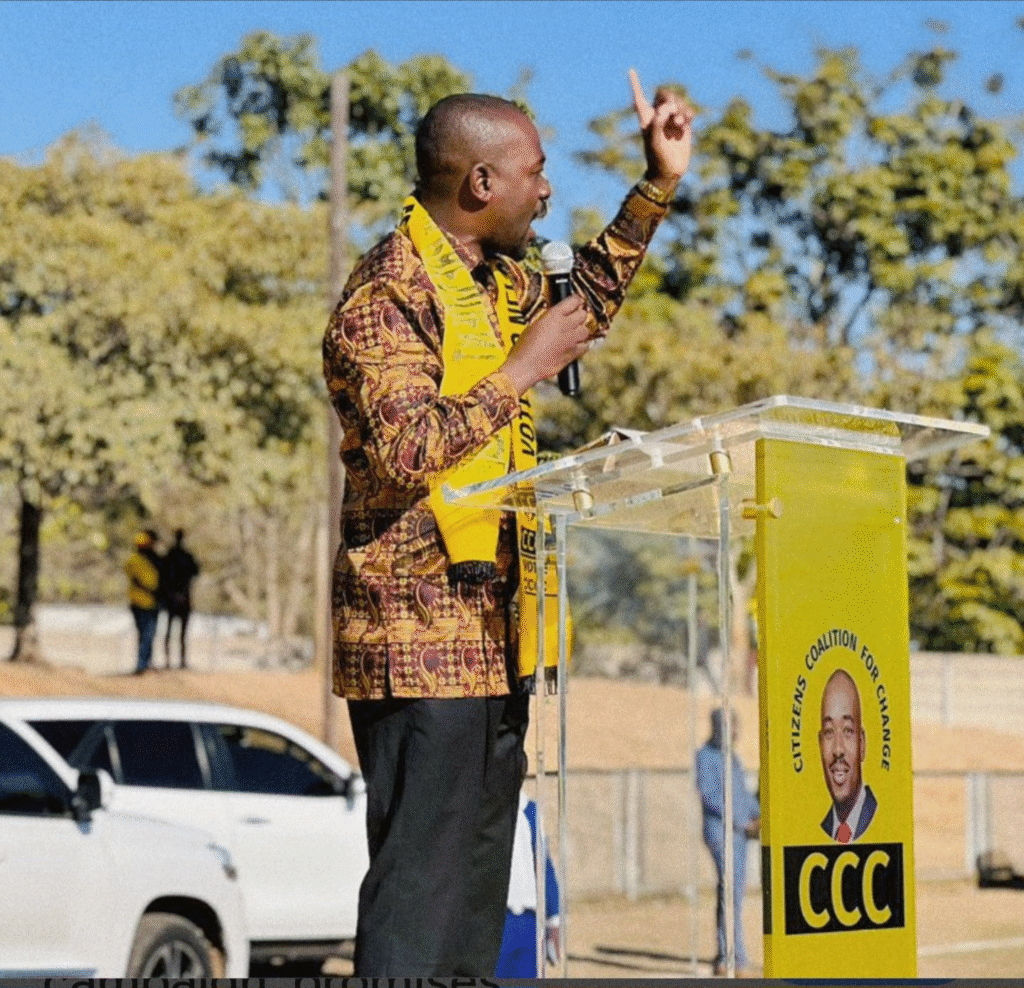
In January 2022, Chamisa launched the Citizens Coalition for Change. New colours, new symbols, and a new political identity generated fresh excitement among supporters. Once again, crowds returned and hope briefly resurfaced.
But political movements cannot survive on branding alone.
Successful organisations depend on systems, discipline, rules, planning, and institutional memory. These are the foundations that allow parties to endure beyond individual leaders.
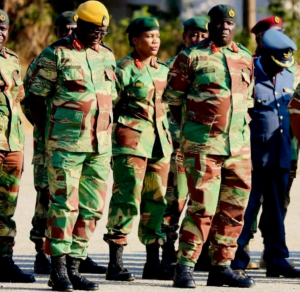
ZANU PF understands this reality better than anyone. Despite criticism and many failures, it remains highly organised and focused on protecting power through structures and long-term strategy.
The opposition, meanwhile, continues searching for renewal without addressing its deepest weaknesses. As a result, ZANU PF no longer sees a serious threat. Until a disciplined and institution-based opposition emerges, Zimbabwe’s ruling party will continue governing with little reason to fear those seeking to replace it.

This sounds like opposition supporters blaming themselves for everything. ZANU PF has advantages that no opposition party can match.
Nobody is saying the playing field is equal. But acknowledging external challenges should not prevent honest reflection about internal weaknesses. Both realities can exist at the same time. Political systems are often difficult, but successful movements still need discipline, planning, structures, and leadership development if they hope to compete effectively over the long term.
What strikes me most is how often opposition politics seems to restart from zero. New name. New colours. New slogan. New branding. New launch. Supporters get excited, but the deeper organisational challenges remain. Political renewal is important, but rebuilding everything every few years comes with huge costs. Institutional memory gets lost, structures weaken, and momentum disappears. At some point, serious organisation becomes more important than reinvention.
One uncomfortable truth is that many supporters became attached to personalities rather than institutions. That creates vulnerability. When political identity becomes centred around one individual, every disagreement becomes personal, every succession issue becomes a crisis, and every strategic debate becomes emotional. Mature political organisations create mechanisms for leadership transitions. Without those mechanisms, instability becomes almost inevitable.
Whether someone supports the opposition or not, there is an important lesson here about democratic politics. Sustainable political movements are rarely built around moments of excitement. They are built through years of organisation, leadership development, local structures, policy work, fundraising systems, dispute resolution mechanisms, and institutional discipline. Charismatic leaders can inspire people, but inspiration alone is not enough. The most successful political organisations in history survive because they become larger than any one person. Until that lesson is fully embraced, Zimbabwe’s opposition will continue facing the same cycle of enthusiasm followed by disappointment.